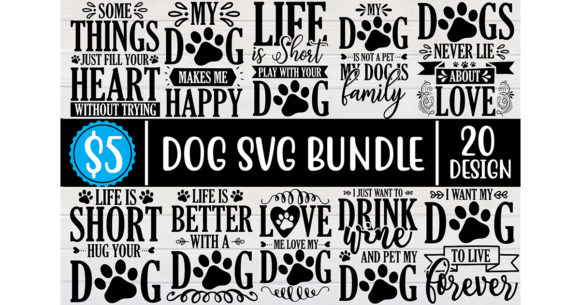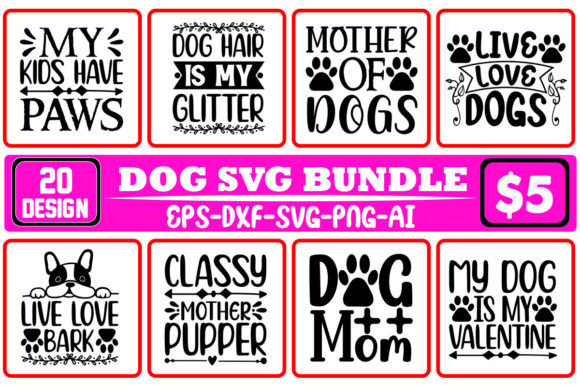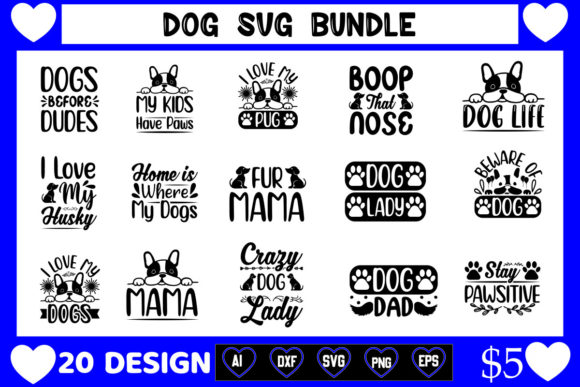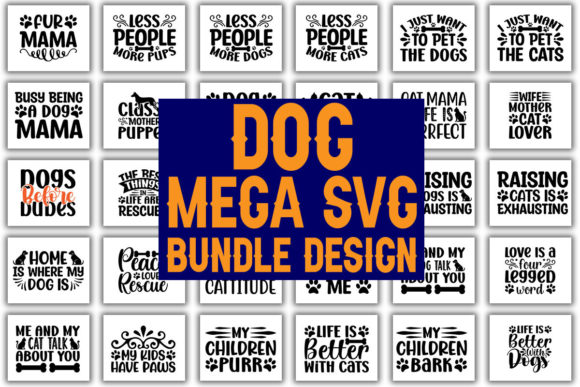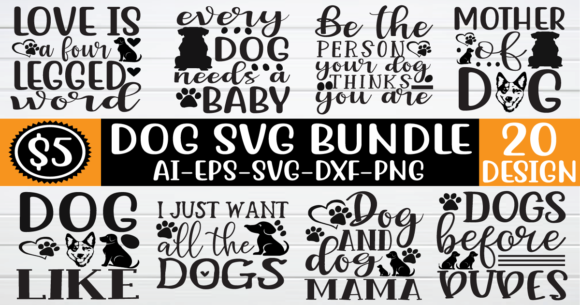
Dog SVG Bundle Volume 2: A Designer’s Real-World Embroidery Review
As a designer who’s stitched hundreds of custom pet-themed pieces—from boutique baby onesies to Etsy best-selling embroidered totes—I opened Dog SVG Bundle Volume 2 with quiet curiosity, not hype. I wasn’t looking for “cute.” I was looking for workable: clean lines that translate to thread, balanced negative space for breathability in stitch, and visual personality that holds up on fabric—not just screen. What stood out immediately wasn’t just variety (20 designs), but a consistent, grounded aesthetic: friendly but not saccharine, detailed but not fussy, scalable without losing charm.
Last week, I used three designs from Dog SVG Bundle Volume 2 to embroider a set of linen kitchen towels for a local gift shop—each towel featured a different dog silhouette paired with minimalist botanical accents. The result? Customers paused at the display. Not because it screamed “dog lover,” but because the embroidery felt intentional—like a small story told in thread. That’s the quiet strength of this bundle: it supports handmade intention, not just decoration.
Where This Bundle Earns Its Place in Real Embroidery Projects
Dog SVG Bundle Volume 2 shines where authenticity matters most: personalized gifts and small-batch merchandise. Think embroidered patches sewn onto denim jackets for a rescue fundraiser, or subtle dog silhouettes stitched onto organic cotton baby blankets—soft, legible, and tender without being cloying. On sweatshirt embroidery, the medium-weight outlines hold up beautifully against knit texture; no bleeding, no distortion. For tote bag design, the larger motifs scale cleanly to 4–5 inches wide—ideal for center-front placement without overwhelming the canvas.
It’s also a smart fit for commercial embroidery workflows. Because the shapes are largely silhouette-based or lightly outlined (not densely shaded), stitch density stays moderate—reducing thread breaks and stabilizer fuss during production runs. As an Etsy seller, I’ve found these designs convert well in listings with clean printable mockups: they read clearly even in thumbnail size, and their warmth reads across devices. They don’t need heavy editing to feel cohesive in a shop’s branding—just thoughtful thread color pairing and consistent hoop placement.
Use With Care: Practical Limits Every Embroiderer Should Know
This isn’t a one-size-fits-all embroidery file. Some designs in Dog SVG Bundle Volume 2 include fine interior details—like paw pad lines or collar tags—that demand attention on tricky substrates. On stretchy fabric (think lightweight knits or ribbed baby caps), those delicate running stitches can pucker without proper cutaway stabilizer and reduced top tension. And on dark fabric? Avoid ultra-light thread unless you’re willing to add underlay or test first—the fill stitch areas need enough contrast to land visually.
Small hoop sizes (under 3.5 inches) call for selective use. One design—a playful terrier with lifted paw and curly tail—works brilliantly at 3.2 inches, but its companion, a full-body hound with long ears and layered fur texture, needs breathing room. It’s still usable, but only if you’re okay simplifying interior satin stitch zones or adjusting pull compensation manually. Also, curved surfaces like structured caps require careful digitizing prep: check whether the original files include underlay or jump-stitch optimization—if not, budget time for that step before stitching.
What It Adds (and Doesn’t Add) to Your Finished Product
Using Dog SVG Bundle Volume 2 elevates perceived value—not by complexity, but by clarity. Clean shapes read as professional, even on modestly priced items. A customer buying a personalized embroidered pillow cover doesn’t just see “a dog”—they sense care in proportion, balance, and restraint. That builds trust. It says, “This wasn’t slapped on. It was chosen—and stitched—with thought.”
That same clarity strengthens brand consistency for craft businesses. Whether you’re selling holiday embroidery kits or building a line of nursery decor, these designs integrate smoothly—no jarring stylistic whiplash between your owl motif and your dachshund. And because they avoid cartoonish exaggeration, they age well: a child’s embroidered bib today becomes a keepsake pillow tomorrow, still feeling sincere, not dated.
Designer Notes You’ll Actually Use
- Always test on scrap fabric first—especially with textured weaves or blends. Linen, terry cloth, and brushed cotton behave differently than smooth poplin.
- Check thread color contrast in both black-and-white and grayscale mockups. Subtle tonal shifts vanish on screen but scream on fabric.
- Review stitch density in your embroidery software. If fill areas look overly dense, consider reducing density by 5–8% for breathable fabrics like quilting cotton or rayon blends.
- Confirm hoop size compatibility early. Don’t assume all 20 designs fit your standard 4x4 hoop—some will require 5x7 or larger for optimal detail retention.
- Inspect small corners and interior curves closely. Tiny satin stitch returns or tight radius fills may need manual cleanup or stitch reordering.
- Verify licensing terms before selling finished items or digital products. Since this is a Bundles product, confirm whether commercial use is included—or if attribution or resale restrictions apply.
- Use proper stabilizer for your base fabric. Lightweight tear-away works for stable wovens; cutaway is non-negotiable for knits, fleece, or anything with stretch.
In short: Dog SVG Bundle Volume 2 isn’t flashy—it’s reliable. It’s the kind of embroidery file you reach for when you want your craftsmanship to speak louder than the design itself. It fits seamlessly into real workflows: custom apparel, baby embroidery, holiday embroidery, embroidered patch production, and small shop product development. It won’t solve every challenge—but it gives you strong, flexible, human-centered design assets to build from. And in a market saturated with over-digitized, over-complicated files, that’s more valuable than novelty.