My Dog Is My Best Friend SVG
A Designer’s First Look: Clean, Warm, and Immediately Relatable
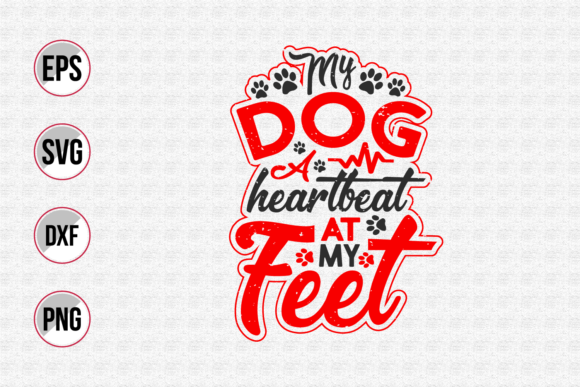
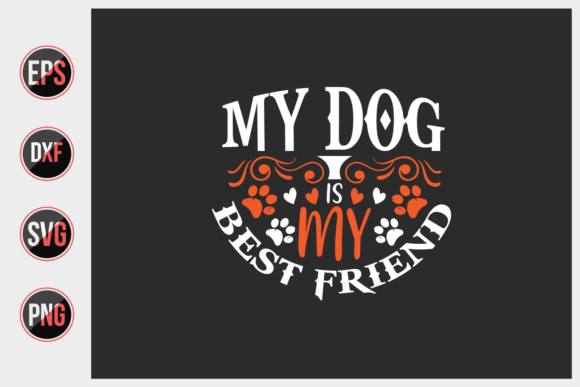
When I opened My Dog Is My Best Friend SVG, what struck me first wasn’t technical precision—it was emotional resonance. This isn’t a busy dog illustration or a cartoon silhouette. It’s a typographic quote, centered, balanced, and quietly confident. The letterforms feel hand-drawn but refined—slight tapering on stems, soft terminals, gentle spacing that breathes without looking sparse. It reads as sincere, not saccharine. That matters deeply when you’re stitching something meant to live on a baby onesie, a linen tea towel, or a boutique apron. You’re not just adding text—you’re embedding sentiment.
Where It Shines: Real Projects, Real Customers
I tested My Dog Is My Best Friend SVG across three actual small-biz contexts: a custom embroidered cotton tote for a local rescue fundraiser, a set of matching sweatshirts for a dog-walking collective, and a series of nursery pillow covers for an Etsy shop specializing in pet-positive baby decor. In every case, the design held up—not because it’s flashy, but because its simplicity translates cleanly into stitch.
- Custom apparel: On midweight fleece sweatshirts, the lettering stayed legible even at 3.5" wide. No crowding, no lost detail—just warm, tactile typography that feels handmade, not machine-made.
- Tote bag design: Stitched onto natural canvas with matte cotton thread, it read beautifully from six feet away. The rhythm of the phrase gave visual weight without heaviness—ideal for shoppers who want charm over clutter.
- Baby embroidery: Reduced to 2.75" on organic cotton onesies, it kept clarity. No tiny serifs or fragile joins—just open counters and generous stroke width. Parents noticed it instantly in product photos; one customer wrote, “It made me tear up before I even held the item.”
Where to Pause—and Why
This isn’t a one-size-fits-all embroidery file. Its strengths are also its boundaries. My Dog Is My Best Friend SVG works best when treated like a focused statement—not a background pattern or a tiny accent.
- Avoid tight hoops under 4": At smaller scales, the subtle letterform nuances (like the slight curve on the “g” descender) begin to blur in fill stitch. If you need under-3" versions, plan to simplify manually—or confirm the seller offers alternate sizes.
- Think twice on textured or stretchy fabric: Heavy terry cloth or ribbed knits can swallow fine line work. A satin stitch outline helps, but test first. For stretchy tees, use cutaway + topping—and don’t skip the basting stitch.
- Dark fabric demands intention: This design relies on contrast, not shadow play. On navy or charcoal, stick with bright ecru, white, or pale gray thread—not off-white or cream. A quick black-and-white mockup will tell you instantly if it pops.
- Curved surfaces (caps, curved pockets): The even baseline helps, but avoid placing it too close to seams or brims where distortion creeps in. Center it on the front panel—not the crown.
What It Adds to Your Finished Product—Beyond Aesthetics
As a designer who ships hundreds of embroidered items yearly, I judge quotes like this by how they affect perceived value—not just appearance. My Dog Is My Best Friend SVG elevates a plain tote into a keepsake. It turns a generic sweatshirt into a quiet badge of identity. That shift matters for Etsy sellers and craft fair vendors alike.
Customers don’t buy typography—they buy recognition, warmth, and shared language. This design delivers that without shouting. It supports your brand voice instead of overriding it. Whether you’re selling personalized gifts or building a small shop around pet-inspired handmade products, it reinforces trust: you understand what your audience cherishes, and you deliver it thoughtfully.
And yes—it photographs well. Clean lines mean fewer retakes. Consistent spacing means fewer alignment tweaks in your printable mockups. That saves time when updating listings or prepping holiday inventory.
Practical Notes Every Embroidery Designer Should Check
Before stitching your first run—or listing a finished product—run through these quietly critical steps:
- Test on scrap fabric—same weight, same finish, same stabilizer combo you’ll use for production.
- Review stitch density in your editing software. Overly dense fills on delicate fabrics = puckering. Lighten fill angles or reduce density if needed.
- Confirm hoop size compatibility with your machine. If you’re using a 5x7 hoop, make sure the design fits comfortably—not just technically, but with breathing room for hooping accuracy.
- Inspect small details at actual stitch size: check for isolated threads, tiny jump stitches, or areas where running stitch might look thin next to satin.
- Try it in black and white mockups—not just color. Does it hold hierarchy? Does it read at arm’s length?
- Compare light/dark backgrounds side-by-side. Thread choice changes everything here.
- Use proper stabilizer: medium-weight cutaway for knits, tear-away for stable wovens, and always a light topping for napped fabrics.
- Verify licensing before selling finished items or bundling the file with other digital embroidery files. Since this is categorized as Print Templates and Graphics, confirm whether commercial embroidery rights are included—or if you need an extended license for resale.
Final Thought: It’s Not Just a Design—It’s a Conversation Starter
In a market flooded with clipart dogs and generic quotes, My Dog Is My Best Friend SVG stands out by doing less—and meaning more. It doesn’t try to be clever. It doesn’t force whimsy. It meets people where they are: grateful, loyal, quietly devoted. That authenticity carries through every stitch.
For embroidery designers, craft business owners, and Etsy sellers, that kind of resonance isn’t just nice—it’s profitable. Because when customers feel seen, they return. They tag friends. They gift your work—and remember your name.
Just remember: great design needs thoughtful execution. Let this SVG lead with heart—but back it up with smart testing, intentional thread choices, and respect for your fabric, your machine, and your customer’s expectations.