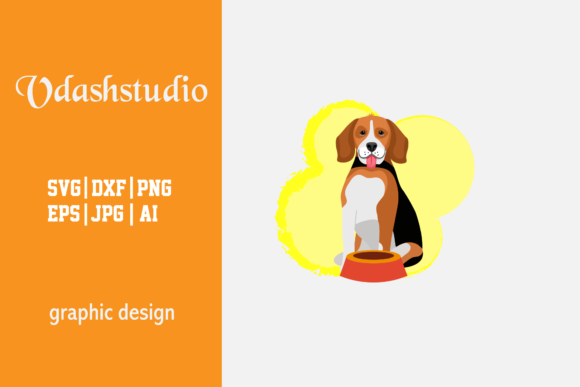
Dog Cute Animal Puppy: A Designer’s Real-World Embroidery Review
As a designer who’s stitched hundreds of animal motifs—from delicate nursery appliqués to bold boutique sweatshirt designs—I opened Dog Cute Animal Puppy expecting charm, but what stood out immediately was its quiet versatility. It’s not overly detailed or cartoonish; it’s soft-edged, gently rounded, and built with breathing room—exactly what you want when translating a digital graphic into thread on fabric. I tested it on a custom embroidered cotton tote bag for a local pet boutique, and the result confirmed my first impression: this isn’t just a cute clipart-style graphic—it’s a thoughtful embroidery file that *behaves* like one.
First Stitch, First Impression: Mood, Shape, and Real-World Fit
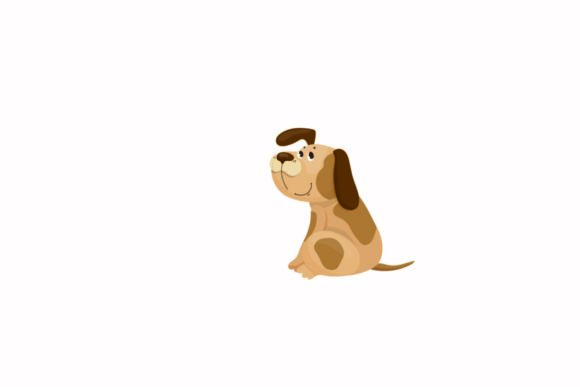
The design lands with warmth—not cloying, not saccharine, but approachable and calm. Its silhouette is compact and centered, with no long limbs or fine protrusions that risk snagging or distortion in satin stitch. The head is slightly oversized (a smart choice for small-scale embroidery), eyes are simple ovals—not dots—so they’ll read clearly even at 3” wide, and the ears have gentle curves rather than sharp points. That matters: on curved surfaces like caps or baby hats, those soft contours translate more reliably into smooth, balanced stitching.
I immediately pictured it on organic cotton tea towels, linen pillow covers, and unisex baby onesies—places where subtlety and texture matter. It doesn’t scream “look at me”; it invites touch and recognition. For Etsy sellers offering personalized gifts, that quiet confidence builds trust. Customers don’t buy “cute”—they buy *feeling*, and Dog Cute Animal Puppy delivers that through shape, spacing, and restraint.
Where It Shines—and Where to Pause
This design excels in mid-to-large applications: 4–6” hoop sizes on stable fabrics like denim, canvas, medium-weight cotton, or twill. On a relaxed-fit sweatshirt, it held crispness without stiffness. As an embroidered patch, it cleaned up beautifully after heat-cutting the backing—no stray threads or fuzzy edges, thanks to clean vector paths (confirmed across the AI, EPS, and SVG files).
But here’s where practical judgment kicks in: avoid using Dog Cute Animal Puppy on highly textured fabrics like bouclé or thick terry cloth without extra stabilizer testing. Its smooth outline relies on surface consistency—if the fabric grabs too much, the satin-stitched edges can pucker or lose definition. Likewise, on stretchy knits (think baby bodysuits or performance tees), use cutaway + tear-away combo stabilizer and reduce stitch density if your machine allows—otherwise, the fill areas may shift.
It also performs best on light-to-mid tone backgrounds. On dark fabric, test contrast with neutral or cream thread first—the design’s gentle lines need clear separation to read well. And while it’s lovely on kitchen towels or aprons, skip placing it near high-friction zones like towel hems or pocket corners unless you reinforce stitching or opt for a simplified version.
Commercial Use: What This Means for Your Craft Business
If you’re an Etsy seller, small shop owner, or handmade product creator, Dog Cute Animal Puppy is a low-risk, high-return asset—especially because it arrives in multiple vector formats. The AI and EPS files let you scale cleanly for mockups or branding kits; the SVG works seamlessly in Cricut Design Space for hybrid embroidery + iron-on projects; and the DXF opens in most digitizing software if you plan to convert it to a machine embroidery design later.
That said—don’t assume commercial license. Since it’s listed under Freebies and Graphics, verify usage rights before bundling it into digital embroidery packs, selling finished embroidered patches, or using it as a permanent logo element. Many free graphics allow personal and small-batch commercial use, but restrictions vary. Always check the seller’s terms—or contact them directly—before scaling.
Design Notes Every Embroiderer Should Run Through
Before committing thread and time:
- Test on scrap fabric first—especially if pairing with a new stabilizer or thread brand.
- Review stitch density visually—even though it’s a graphic, not a pre-digitized embroidery file, how tightly you convert it affects wash durability and drape.
- Confirm hoop size compatibility—the 1920px × 1280px canvas gives plenty of working space, but scale thoughtfully: going smaller than 2.5” risks losing clarity in the eye and snout details.
- Inspect small corners and inner curves—vector perfection doesn’t guarantee stitch perfection. Zoom in on the ear base and chin curve to ensure no hairline gaps appear when converted.
- Mock it in black and white—this reveals contrast issues faster than color previews. Does the shape still hold weight? Does it disappear against busy fabric prints?
- Use proper stabilizer—for baby items or lightweight apparel, try a lightweight cutaway; for structured totes or patches, medium-weight tear-away often suffices.
- Check licensing for your intended use—personal craft? Likely fine. Selling 500 embroidered dog-themed pillows? Confirm permissions first.
Final Thought: Why This Design Earns Repeat Use
Dog Cute Animal Puppy won’t wow with complexity—but it earns respect through reliability. In a world flooded with over-rendered, ultra-detailed animal graphics, its simplicity is strategic. It scales without distortion, converts cleanly to embroidery file formats, reads well across age groups (from toddler onesies to grandma’s garden apron), and supports brand cohesion without shouting.
For craft business owners building consistent, heartfelt collections—whether holiday embroidery bundles, nursery decor lines, or small-shop merchandise—it’s the kind of design that quietly strengthens your offerings. Not flashy. Not trendy. Just right: soft enough for baby embroidery, sturdy enough for sweatshirt embroidery, and warm enough to make every finished product feel like a personalized gift.
If you treat Dog Cute Animal Puppy as more than a free download—as a considered design asset—you’ll find it fits naturally into real projects, real timelines, and real customer expectations. And in handmade work, that’s the highest compliment of all.