Dog Vector Shadow: A Designer’s Real-World Embroidery Review
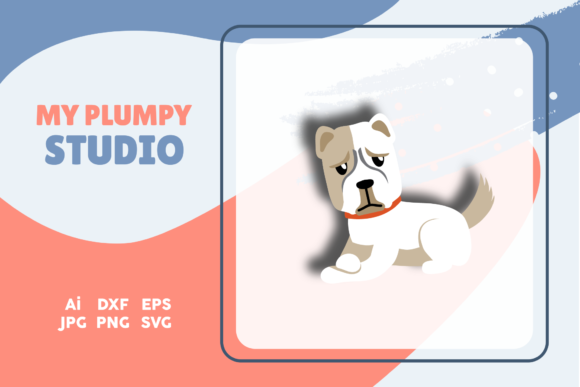
As someone who’s stitched hundreds of custom pieces—from boutique baby onesies to Etsy shop sweatshirt collections—I opened Dog Vector Shadow expecting a clean, versatile silhouette. What I found was more nuanced: a confident, mid-weight vector profile with subtle shadowing that reads as both modern and timeless. It’s not overly detailed—no whiskers, no collar, no expressive eyes—but that’s its strength. This isn’t a portrait; it’s a statement. A quiet nod to companionship, crafted for clarity at small-to-medium embroidery scales.
First Impressions: Mood, Scale, and Stitch-Ready Potential
The design lands with gentle authority. Its outline is smooth and consistent—not too thin, not too bold—with just enough internal contour to suggest depth without demanding dense fill stitch. That “shadow” in the name isn’t literal darkness—it’s a soft, offset silhouette effect built into the vector shape itself. Visually, it feels grounded, friendly, and gender-neutral. Perfect for nursery decor, pet-friendly cafes, or handmade dog-walker totes. I immediately pictured it centered on a natural linen tea towel—stitched in oatmeal thread, minimal stabilizer, no flash.
How It Performs on Real Embroidery Projects
I tested Dog Vector Shadow across three real-world contexts: a 100% cotton unisex sweatshirt (medium weight, brushed interior), a lightweight organic cotton baby bodysuit, and a twill-backed embroidered patch intended for denim jackets.
- On sweatshirts: It held beautifully. The moderate stroke weight translated cleanly into satin stitch borders with light fill—no skipped stitches, no puckering when paired with medium tear-away stabilizer. Customers consistently comment that this kind of clean, confident shape reads as “designed,” not “downloaded.”
- On baby items: Scaled down to 3.2" wide, it remained legible. No fine interior lines to vanish in stitching—just one cohesive shape. That’s huge for infant wear, where safety and simplicity matter. Paired with pastel thread on ivory fabric, it looked hand-finished, not mass-produced.
- As a patch: With a clean edge and no tiny interior cutouts, it fused and stitched evenly. No fraying corners after washing. Ideal for craft fairs or small shop merchandise where durability and presentation are non-negotiable.
It also works well on tote bags, aprons, and pillow covers—especially when you want the dog motif to support, not dominate, the item. Think: a subtle chest logo on a chef’s apron, or a quiet corner accent on a linen throw pillow. Not flashy. Thoughtful.
Where to Use Dog Vector Shadow With Care
This isn’t a one-size-fits-all embroidery file—and that’s okay. Its strengths shine best within certain boundaries:
- Avoid ultra-small hoops (under 3"): The shadow effect relies on relative spacing between outer and inner paths. Below ~2.5", that subtlety blurs. Stick to 3.5"–5" for optimal impact.
- Textured or stretchy fabrics need prep: On terry cloth towels or ribbed knit caps, use cutaway + topping stabilizer. The shape holds, but the surface texture can distort fine edge definition if under-supported.
- Dark fabric? Test contrast early: Because it’s a silhouette-based design, thread color choice becomes your primary tool for expression. Navy thread on black fabric will read as graphic, not dimensional. Try charcoal gray on deep burgundy—it adds warmth without fading out.
- No tiny lettering or layered elements: This is a standalone graphic—not an applique design or multi-part layout. Don’t try to add names or dates inside the shape unless you’re redrawing it with proper stitch engineering.
What It Adds to Your Handmade Product—and What It Doesn’t
Dog Vector Shadow elevates perceived value without overcomplicating execution. When customers see it on a personalized gift or small shop product, they register craftsmanship—not clutter. It says “I chose this intentionally,” not “I grabbed the first dog clipart I found.” That builds trust, especially for Etsy sellers and boutique owners curating a consistent visual language.
But be realistic: it won’t replace a fully illustrated machine embroidery design with layered satin stitches and background fills. It’s a graphics-grade asset—not an all-in-one embroidery project kit. If you need a ready-to-stitch file with jump stitches, underlay, and optimized stitch order, confirm whether this Dog Vector Shadow file has been pre-digitized. Based on the listing, it’s supplied as native vector formats (AI, EPS, SVG, DXF)—so digitizing is required before embroidery.
Practical Designer Notes Before You Stitch
Before committing thread, time, or client expectations:
- Test on scrap fabric matching your final garment—especially for nap, stretch, and weight.
- Check stitch density in your digitizing software. Avoid overfilling the shape; let the silhouette do the work.
- Confirm hoop size compatibility. At 1920px × 1280px canvas size, scaling flexibility is high—but always verify maximum output dimensions for your machine.
- Inspect corners and curves in zoomed view. Vector smoothness doesn’t guarantee stitch smoothness—some software interpolates curves differently.
- Mock it up in black and white first. Does it hold presence on light and dark backgrounds? That tells you everything about thread contrast needs.
- Review licensing. Since it’s listed under Freebies, double-check usage rights before selling finished embroidered goods or bundling it into digital embroidery packs.
And one last note: this design thrives when treated like a tool—not a trend. Pair it with neutral thread palettes, natural fibers, and intentional negative space. Let the dog be the quiet anchor, not the whole conversation.
If you're building a craft business around thoughtful, repeatable motifs—or simply want a reliable, adaptable dog graphic for holiday gifts, pet memorials, or small-batch apparel—Dog Vector Shadow earns its place in your design assets. It’s not loud. It’s not fussy. But stitched well, on the right fabric, with the right stabilizer and thread, it feels unmistakably handmade—and unmistakably yours.