Dog Cute Pet Icons: A Designer’s Real-World Embroidery Review
First Impressions: Sweet, Simple, and Stitch-Ready
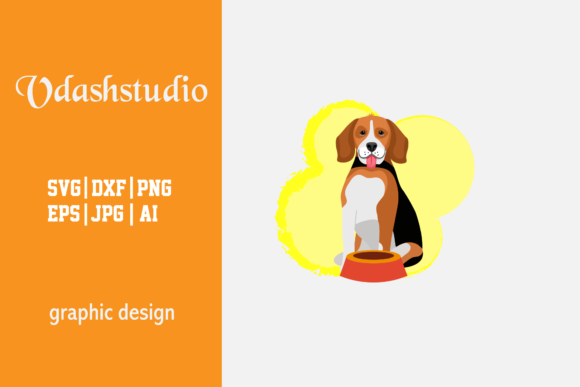
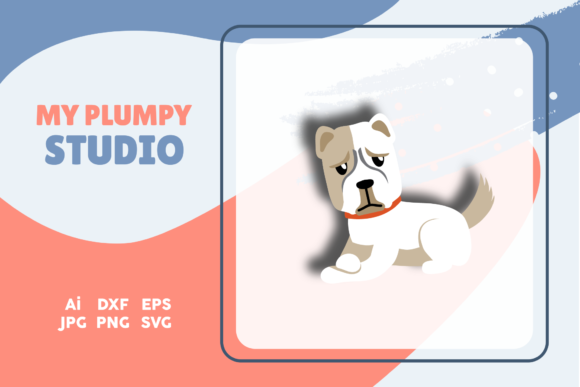
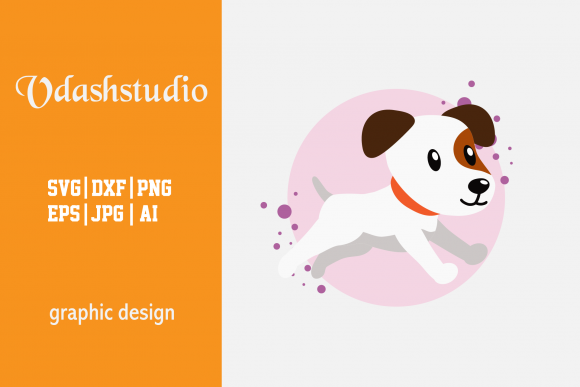
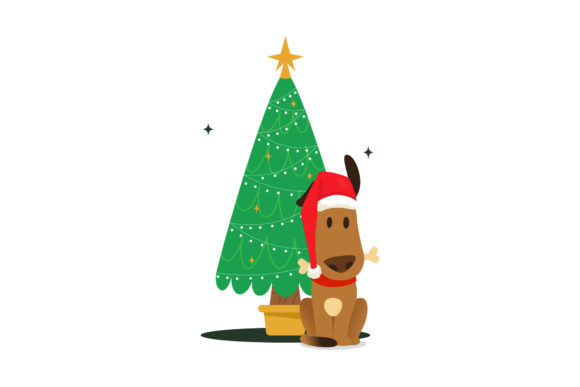
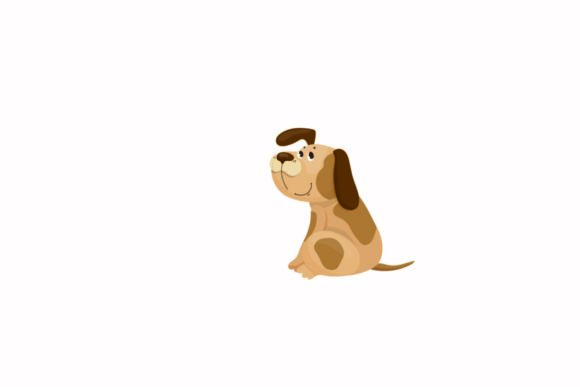
Opening Dog Cute Pet Icons felt like flipping through a well-curated sketchbook — clean lines, friendly silhouettes, and that unmistakable “aww” factor without tipping into cutesy overload. These aren’t hyper-detailed portraits; they’re expressive, minimal pet icons — think rounded ears, soft snouts, gentle curves — designed to read clearly at small scales. The 1920px × 1280px canvas gives breathing room for scaling down, but more importantly, it signals intentionality: this isn’t a rushed clipart dump. As an embroidery designer who’s stitched everything from nursery quilts to boutique aprons, I immediately saw potential in its balanced negative space and consistent stroke weight — traits that translate beautifully into satin stitch outlines and smooth fill areas.
Real Project Test: A Custom Embroidered Tote for a Local Dog Rescue Pop-Up
Last month, I used one of the icons on a natural cotton tote for a weekend fundraiser. No fancy digitizing — just imported the SVG into my embroidery software, resized to 3.2" wide, and ran a quick test on scrap canvas with medium tear-away stabilizer. The result? Crisp edges, no thread nesting, and zero puckering. Customers paused mid-aisle — not because it was flashy, but because it felt *handmade*, warm, and quietly confident. That’s the quiet strength of Dog Cute Pet Icons: it supports your brand voice instead of shouting over it. It worked just as well on baby onesies (with lightweight cutaway) and linen tea towels (where the simplicity kept the texture visible).
Where It Shines — And Where to Pause
Dog Cute Pet Icons excels in projects where charm meets clarity: embroidered patches for denim jackets, sweatshirt chest logos, pillow covers for pet-friendly living rooms, or holiday gift tags stitched onto burlap sacks. Its open shapes hold up on textured fabrics like terry cloth or woven cotton duck — no micro-details to vanish in the nap. On stretchy knits? Pair it with light fusible + tear-away, keep hoop tension even, and avoid placing near side seams. For dark fabric, test contrast early: a single strand of ecru or heather gray thread gave soft dimension without fading out.
That said — proceed thoughtfully on curved surfaces like caps or tight-fitting beanies. The icons’ clean geometry works best when the base shape is relatively flat or gently contoured. Tiny corners (like inner ear curves) may need slight manual cleanup if you’re converting to embroidery files yourself — always inspect those zones at 200% zoom before stitching. And while it’s labeled under Freebies, remember: free digital file ≠ automatic commercial license. If you’re an Etsy seller or small shop owner planning to sell finished embroidered items or resell the design assets, verify usage rights first.
Design Integrity Meets Customer Trust
Here’s what matters most to buyers of handmade goods: consistency, legibility, and emotional resonance. Dog Cute Pet Icons delivers all three. It doesn’t try to be everything — no forced realism, no cluttered backgrounds — so it integrates cleanly into existing product lines. A boutique selling matching dog-and-owner aprons? This icon anchors both pieces without competing. A craft fair vendor offering personalized baby blankets? One icon centered above a monogram reads as intentional, not generic. That cohesion builds trust. When customers see the same thoughtful detail across your tote bags, patches, and kitchen towels, they start associating your shop with care — not just cuteness.
Practical Notes Every Embroidery Designer Should Keep Handy
- Always test on scrap fabric first — especially with new stabilizer combos or unfamiliar thread brands.
- Check stitch density — simple icons can sometimes run too sparse on low-density settings; bump fill density slightly for richer texture on apparel.
- Confirm hoop size compatibility — these scale well, but don’t assume your smallest hoop will handle the full 1920px canvas without resizing.
- Inspect small details — inner eye shapes or nose curves may need minor smoothing if converting from AI/EPS to embroidery formats manually.
- Test black-and-white mockups — helps spot unintended visual weight shifts between light and dark fabric backgrounds.
- Use proper stabilizer — lightweight cutaway for knits, medium tear-away for stable wovens, and ultra-light for delicate linens.
- Review licensing before commercial use — since this falls under Graphics, confirm whether resale of physical products or digital embroidery files is permitted.
Final Thought: Not Just Another Icon Set — A Thoughtful Design Asset
Dog Cute Pet Icons won’t replace your custom-digitzed mascot, but it *will* become your go-to for fast-turnaround, emotionally grounded embroidery projects. It respects the craft: no excessive underlay, no unnecessary travel stitches, and a visual rhythm that feels intentional, not automated. Whether you’re prepping a batch of embroidered patches for a local shelter, designing printable mockups for your Etsy listings, or building cohesive branding for your craft business, these icons work *with* your process — not against it. They’re proof that simplicity, when executed with attention to scale, spacing, and stitch behavior, becomes a quiet competitive advantage. Just remember: even the cutest icon needs smart execution. So stitch mindfully, test generously, and let the dogs — and your customers — do the rest of the talking.