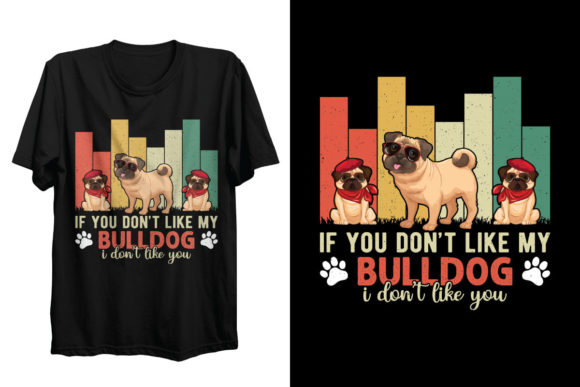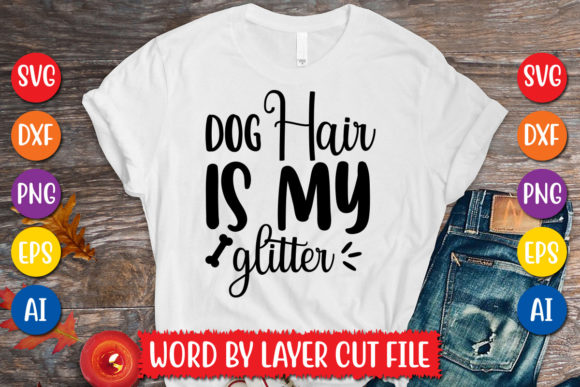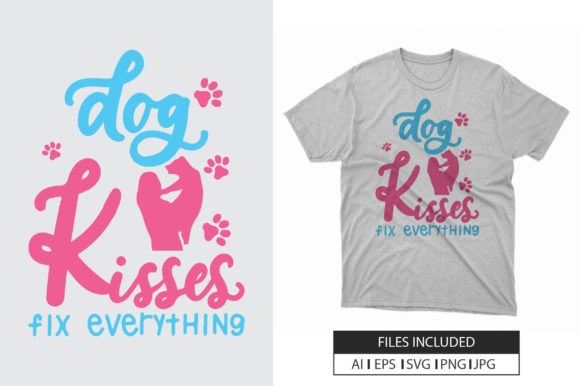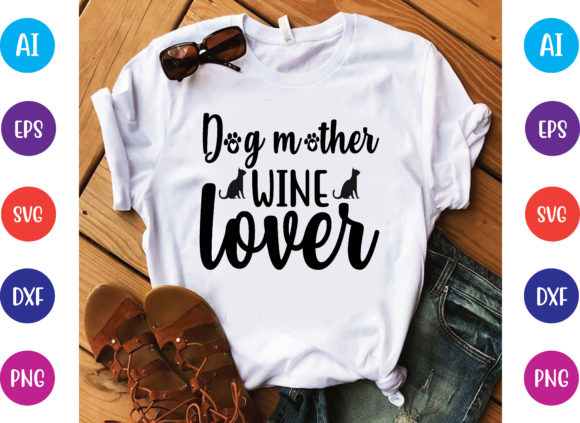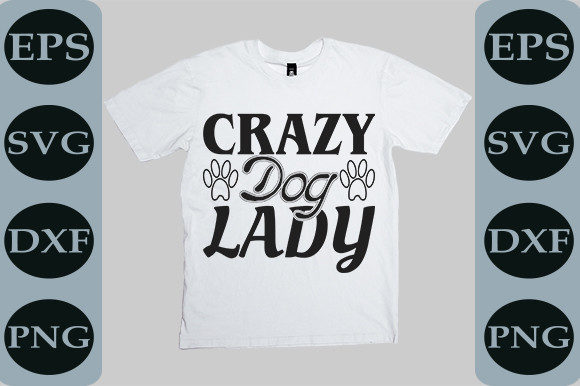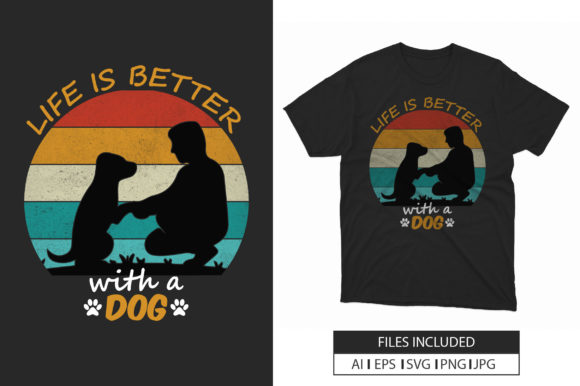
Dog Pet T-shirts Design Vector
First Impression: Friendly, Clean, and Ready for Real Fabric
Opening the ZIP file for Dog Pet T-shirts Design Vector, I immediately notice how uncluttered it feels—no overworked outlines, no frantic detail, just a warm, approachable dog motif that reads clearly at a glance. It’s not overly stylized or cartoonish; instead, it lands somewhere between friendly illustration and clean graphic design. That balance matters—especially when you’re planning to stitch it onto a baby onesie, a linen tea towel, or a cotton tote bag for your Etsy shop. The shape sits comfortably within a moderate vertical proportion, making it adaptable for chest placements on tees, center fronts on aprons, or circular hoops on caps.
Where This Design Naturally Shines
I recently used Dog Pet T-shirts Design Vector as the centerpiece for a small-batch embroidered pillow cover set—intended as personalized holiday gifts for dog-loving clients. It stitched cleanly on midweight linen-cotton blend with standard tear-away stabilizer. The lines held their shape, the curves flowed without puckering, and the overall silhouette stayed legible even at 3.5 inches tall. That tells me it’s well-suited for:
- Custom apparel—especially relaxed-fit tees, crewneck sweatshirts, and lightweight hoodies where clarity trumps complexity
- Embroidered patches—its solid outer contour and minimal interior detail make it ideal for iron-on or sew-on applications
- Baby embroidery—soft edges and gentle proportions keep it age-appropriate for onesies and burp cloths
- Tote bag design—it scales up cleanly without losing definition, and doesn’t overwhelm the canvas
- Holiday or boutique merchandise—think “dog lover” gift sets, pet memorial items, or small-shop branding for vet clinics or groomers
Real-World Embroidery Considerations
This isn’t a dense fill-stitch jungle—it leans into cleaner line work and open shapes, which is a huge plus for machine embroidery design practicality. That said, don’t assume it’ll auto-adapt to every surface. On stretchy fabric like jersey knits, you’ll need light cut-away stabilizer underneath and possibly a topping for the top thread to prevent sinking. On dark fabric, test your thread colors first: a warm tan or charcoal gray often reads more warmly than stark black for this design’s tone. And if you're stitching it on curved surfaces—like the front of a structured cap—keep hoop size in mind. Its layout suggests it works best in a 4×4 hoop or larger; anything smaller may force awkward cropping or loss of visual balance.
What to Watch For
The design’s charm lies in its simplicity—but that also means subtle details matter more. Check corners and tight curves before stitching: do they translate cleanly in satin stitch? Are there any thin connecting lines that might vanish under dense fill? If you plan to use it as an applique design, confirm whether the vector includes separate layers for base fabric, outline, and applique shape—this ZIP bundle gives AI, EPS, SVG, JPG, and PNG files, but doesn’t specify layered embroidery-ready construction. Always inspect the vector paths yourself before converting to an embroidery file.
How It Shapes Your Finished Product
When customers see a well-executed version of Dog Pet T-shirts Design Vector on a handmade product, they don’t just register “a dog.” They register care, intention, and quiet confidence—the kind that comes from choosing a design that *supports* the item, not competes with it. That’s why it strengthens brand consistency for small shop owners: it feels cohesive across tote bags, tea towels, and baby blankets without needing heavy rebranding. It also lifts perceived value on personalized gifts—people pay more for pieces that feel thoughtfully matched, not slapped on. And for Etsy sellers? It’s highly mockup-friendly. Drop it into a clean white tee or natural linen backdrop, and it reads instantly as “handmade, heartfelt, ready to ship.”
Practical Notes Every Embroidery Designer Should Keep Handy
Before stitching Dog Pet T-shirts Design Vector into your next project, here’s what I do—and recommend you do too:
- Test on scrap fabric first—especially if using textured weaves or blends
- Check thread color contrast on both light and dark backgrounds (try grayscale mockups to spot tonal issues)
- Review stitch density—if converting from vector to embroidery file, avoid overloading small areas with fill stitch
- Confirm hoop size compatibility—don’t force it into a 3×3 if key elements get clipped
- Inspect fine details at 200% zoom—look for stray anchor points or unintended overlaps in the vector
- Use proper stabilizer—lightweight cut-away for stable wovens, medium-weight for knits
- Verify licensing—the listing says “You will get AI File EPS File SVG File JPG File PNG File,” but doesn’t state commercial use terms. Confirm before selling finished items or reselling digital assets
A Thoughtful Fit for Craft Business Realities
As someone who’s shipped hundreds of embroidered products—from custom dog-themed nursery decor to wholesale apron lines for local cafes—I appreciate designs that don’t demand perfection to succeed. Dog Pet T-shirts Design Vector fits that space: it’s forgiving on fabric, respectful of time, and visually honest. It won’t wow with flash, but it will earn repeat orders through reliability, warmth, and quiet professionalism. Whether you’re building a craft business, stocking a holiday pop-up, or creating one-of-a-kind personalized gifts, this design earns its place in your library—not as a novelty, but as a trusted tool.