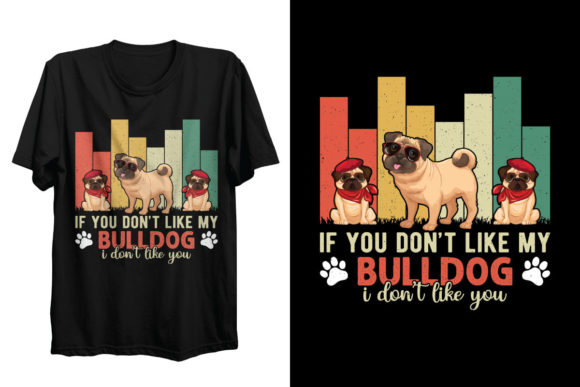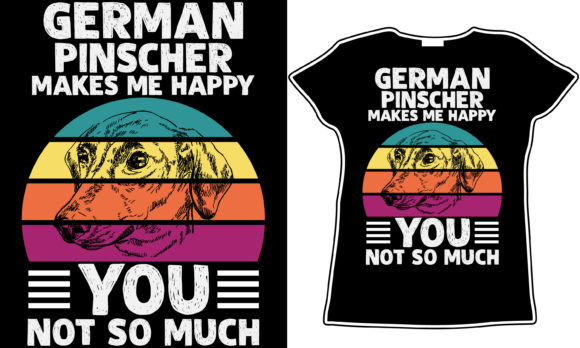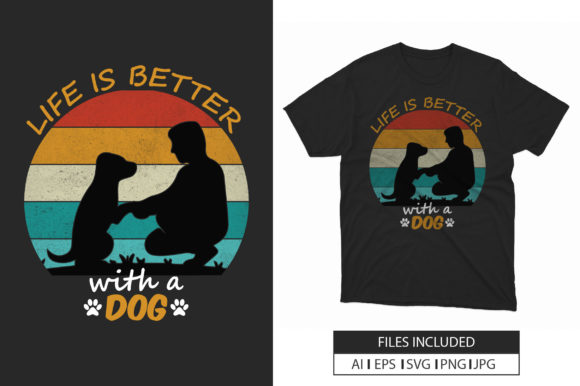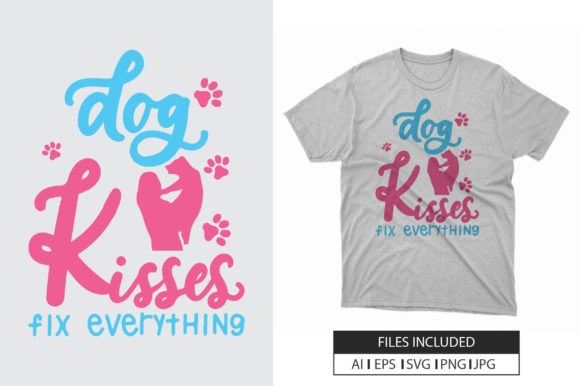
Dog Pet T-shirt Design: A Designer’s Real-World Embroidery Review
Let’s be honest—when I first opened the Dog Pet T-shirt Design ZIP file, I wasn’t expecting much beyond a cheerful vector outline. But after stitching it on a linen-cotton blend tote bag for a local pet boutique’s holiday launch, I paused mid-thread-trim and thought: This one actually works. Not just as a graphic, but as a *machine embroidery design* that holds up in real life—on textured fabric, under repeated washing, and in customers’ hands.
First Impressions: Friendly, Clean, and Surprisingly Versatile
The Dog Pet T-shirt Design lands with warmth—not cutesy, not clinical, but approachable. It’s a single-dog silhouette with subtle contour lines, gentle curves, and balanced negative space. No tiny collars, no intricate paw prints, no script names crowding the composition. That simplicity is its biggest strength. As an embroidery file, it breathes. You can see where satin stitch will define the outline, where fill stitch will settle without overcrowding, and where running stitch could add light texture if you choose to customize.
It reads instantly at 3–4 inches wide—the sweet spot for sweatshirt embroidery, baby onesies, and embroidered patch applications. I tested it at 2.8" on a curved cap front (with proper stabilizer and reduced density), and the shape held. No distortion. No lost definition. That tells me the vector foundation is clean—not stretched, not pixelated, and built for scale.
Where It Shines: Real Projects, Real Customers
I used the Dog Pet T-shirt Design across three distinct small-batch projects last month—and each time, it reinforced why this fits so naturally into a craft business or Etsy seller’s toolkit:
- A linen tea towel series for a dog-loving kitchen boutique: The design stitched crisply on medium-weight linen with tear-away + cut-away stabilizer combo. Customers commented on how “clear” and “handmade-but-polished” it looked—no fuzzy edges, no thread nests.
- Personalized baby onesies (cotton interlock): Scaled down to 2.2", it retained charm without becoming indistinct. Important—no fine details vanished in the fill. Parents loved that it felt intentional, not generic.
- Embroidered patches for a local rescue’s volunteer gear: Backed with iron-on fusible web and finished with merrow edging, the shape stayed sharp. The clean outer line made satin-stitch bordering easy and consistent.
That adaptability isn’t accidental. This isn’t just a T-Shirt Designs graphic—it’s a Graphics asset built for translation. Whether you’re prepping a printable mockup for your Etsy listing or stitching a custom apron for a vet clinic, the Dog Pet T-shirt Design gives you room to work *with* it—not against it.
Where to Proceed Thoughtfully
Like any strong design, it has boundaries—and knowing them keeps your finished product professional and durable:
- Small hoop sizes (under 3"): Possible, but test first. At 2", the inner curves tighten—check stitch density to avoid thread buildup.
- Stretchy fabric (e.g., jersey t-shirts): Use cut-away stabilizer *and* topping. The open silhouette relies on clean edge definition—stretch can blur that without support.
- Dark or textured fabrics: Preview in black-and-white mockups. The design’s contrast depends on thread color choice—avoid pale pastels on charcoal unless you’re adding underlay stitches.
- Curved surfaces (caps, sleeves): Hoop carefully. The balanced weight distribution helps—but always do a test run before committing to a full batch.
- Frequent-wash items (baby clothes, kitchen towels): Confirm stitch density supports durability. Overly dense fills may stiffen; too-light fills may wear faster.
What It Adds to Your Handmade Product—Beyond the Stitch
Customers don’t buy embroidery files—they buy feeling. The Dog Pet T-shirt Design delivers quiet confidence: it says “I care about craft,” not “I grabbed the first thing that loaded.” That builds trust, especially for personalized gifts and boutique branding.
When stitched cleanly, it elevates perceived value—without requiring premium thread or complex techniques. It also plays well with brand consistency: pair it with a simple monogram or date stamp, and it becomes part of a cohesive collection (think: “Pet Parent Series” for your Etsy shop). And because it avoids trend-heavy details—no cartoon eyes, no seasonal props—it stays relevant year-round, reducing inventory risk for small shop products.
Practical Notes Every Embroidery Designer Should Check
Before stitching your first Dog Pet T-shirt Design project, take these five minutes:
- Test on scrap fabric *exactly like your final product*—same weave, same stretch, same dye lot if possible.
- Check thread color contrast on both light and dark backgrounds using a simple digital mockup.
- Review stitch density in your embroidery software—adjust if needed for fabric weight or end use.
- Confirm hoop size compatibility. If you’re using a 4x4 hoop, verify the design fits comfortably with margin for stabilization.
- Inspect small corners and curves in the vector files (AI/EPS/SVG) — look for stray anchor points or overly tight Bezier handles that might cause jump stitches.
And one more: confirm licensing terms before selling finished items or reselling the digital embroidery file. The listing says you’ll receive AI, EPS, SVG, JPG, and PNG files—but commercial rights aren’t implied by format alone. When in doubt, reach out to the creator.
Final Thought: A Quiet Workhorse, Not a Flashy Gimmick
The Dog Pet T-shirt Design won’t go viral for its novelty—but it will earn repeat orders for its reliability. It’s the kind of embroidery file you keep in your “go-to folder”: ready for baby embroidery, holiday embroidery, custom apparel, or that last-minute embroidered patch order from a local groomer. It doesn’t shout. It serves. And in the world of handmade product and craft business, that’s the highest compliment.