Joyous Dog: A Designer’s Real-World Embroidery Review
As a designer who’s stitched hundreds of custom pieces—from baby onesies to boutique aprons—I opened Joyous Dog expecting charm. What I found was more: a balanced, expressive vector illustration that breathes personality without overcomplicating the stitch path. I tested it for a client’s small-batch embroidered tote bag line—think natural canvas, medium-weight twill, and hand-finished hems—and used it as the centerpiece on a set of nursery pillow covers. Here’s how Joyous Dog holds up where it counts.
First Impression: Joy That Stitches Cleanly
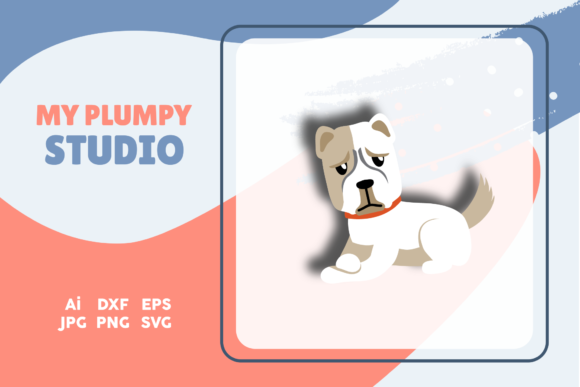
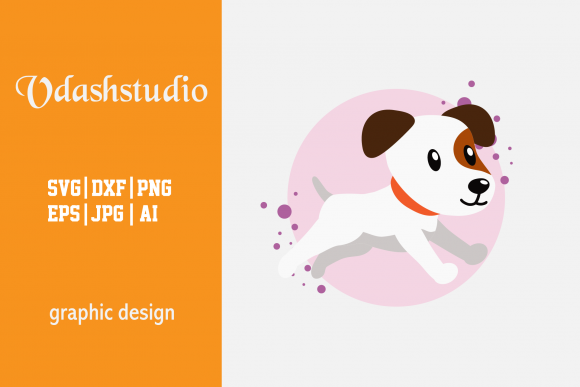
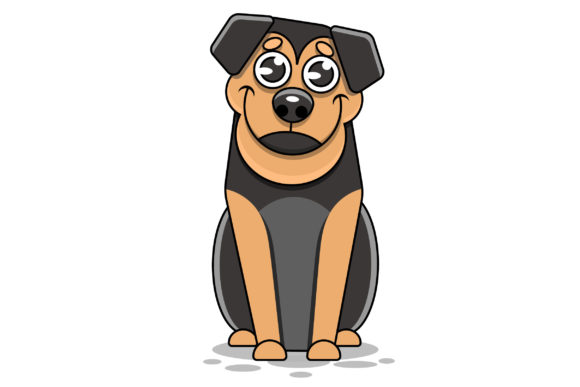
The moment you zoom in, Joyous Dog feels alive—not cartoonish, not overly stylized, but warmly animated. Its posture is open and friendly; the ears lift slightly, the eyes are soft but alert, and the tail curls with gentle energy. At 3000 px × 2000 px, the vector foundation means crisp scalability—but remember: this is an illustration, not a native embroidery file. You’ll need to digitize it properly before stitching. That said, its clean lines, generous negative space, and intentional simplification (no micro-details like individual whiskers or paw pads) make it unusually embroidery-friendly out of the gate.
Where It Shines: Real Projects, Real Customers
Joyous Dog lands perfectly in categories where emotional resonance matters more than photorealism: personalized baby gifts, cozy sweatshirt embroidery, boutique tea towels, and embroidered patches for craft fairs. On a medium-weight cotton sweatshirt, the design read clearly at 4.5" wide—no crowding, no lost definition in the ear curves or muzzle shape. As a machine embroidery design for a linen apron? It held texture beautifully when paired with a light tear-away stabilizer and matte poly thread.
Etsy sellers will appreciate how Joyous Dog elevates perceived value. When customers see this on a handmade tote bag or pillow cover, they don’t just register “a dog”—they sense care, intention, and warmth. That translates directly to trust, repeat orders, and word-of-mouth sharing. For holiday embroidery or wedding gifts (think “Best Dog Dad” or “New Puppy, New Joy”), it adds levity without sacrificing polish.
Where to Proceed Thoughtfully
This isn’t a one-size-fits-all embroidery file. Its width-to-height ratio (3:2) means it stretches comfortably across chest placements but may feel cramped on curved surfaces like caps unless resized and repositioned carefully. On stretchy fabric—say, a lightweight jersey tee—test stitch density first: too many fill stitches in the body could cause puckering. And while the vector gives flexibility, avoid pushing Joyous Dog below 2.5" wide if using satin stitch for outlines; fine curves lose clarity at tiny scales.
Dark fabric demands attention: the illustration’s mid-tone contrast works well on heather grey or oatmeal, but on deep navy or charcoal, consider adding a subtle underlay or adjusting thread colors to maintain dimension. Also, skip dense decorative accents (like heavy French knots or layered applique) unless you’re digitizing from scratch—the original vector doesn’t include those elements.
Design Notes Every Embroiderer Should Check
- Test on scrap fabric first—especially if pairing with textured weaves like burlap or terry cloth.
- Review stitch density in your digitizing software: The head and tail areas may need lighter fill to prevent stiffness on baby embroidery or pillow covers.
- Confirm hoop size compatibility: At full scale, it fits standard 5" × 7" hoops only if resized to ~4.75"; larger hoops give breathing room.
- Inspect small details manually: The nose and eye highlights are subtle—ensure they translate cleanly into running stitch or satin stitch, not fragile single-thread paths.
- Try black-and-white mockups: See how legible the expression remains without color cues—critical for monochrome branding or low-contrast fabric.
- Compare light vs. dark backgrounds in your design preview: what reads as joyful on ivory may flatten on black without adjusted underlay.
- Use appropriate stabilizer: Medium cutaway for knits, light tear-away for stable wovens, and fusible + tear-away combo for delicate linens.
- Verify licensing before commercial use: Since Joyous Dog is listed as a Graphics asset, confirm whether resale of finished embroidered products or digital embroidery files is permitted.
Why This Fits Craft Businesses—Not Just Hobbyists
For small shop owners and creative entrepreneurs, Joyous Dog works because it bridges versatility and voice. It’s distinctive enough to become part of your brand identity—a signature motif on kitchen towels, a consistent element across seasonal collections—but neutral enough in style to adapt to rustic, modern, or whimsical aesthetics. As a printable mockup asset, it helps Etsy sellers show realistic product previews without over-editing. As a digital embroidery file foundation, it saves digitizing time without sacrificing originality.
It also supports storytelling: customers don’t just buy a dog—they buy joy, comfort, companionship. That emotional hook strengthens handmade presentation and giftability, especially for personalized gifts tied to life moments (adoption, birthdays, loss, new homes). In a crowded market, that resonance is harder to replicate than any technical spec.
Final Thought: Not Just Another Illustration
Joyous Dog stands out because it’s designed *with* the stitch—not just for the screen. It respects fabric behavior, honors the rhythm of the embroidery machine, and leaves room for the maker’s hand to shine. Whether you’re prepping for a craft fair, launching a boutique line, or fulfilling a heartfelt custom request, this illustration earns its place in your design assets—not as filler, but as a thoughtful, reliable, quietly joyful partner in making.